
Hidden Costs of Window-Related Water Intrusion in Commercial Buildings
(Why Repeated Leaks Signal a Deeper Window System Failure)
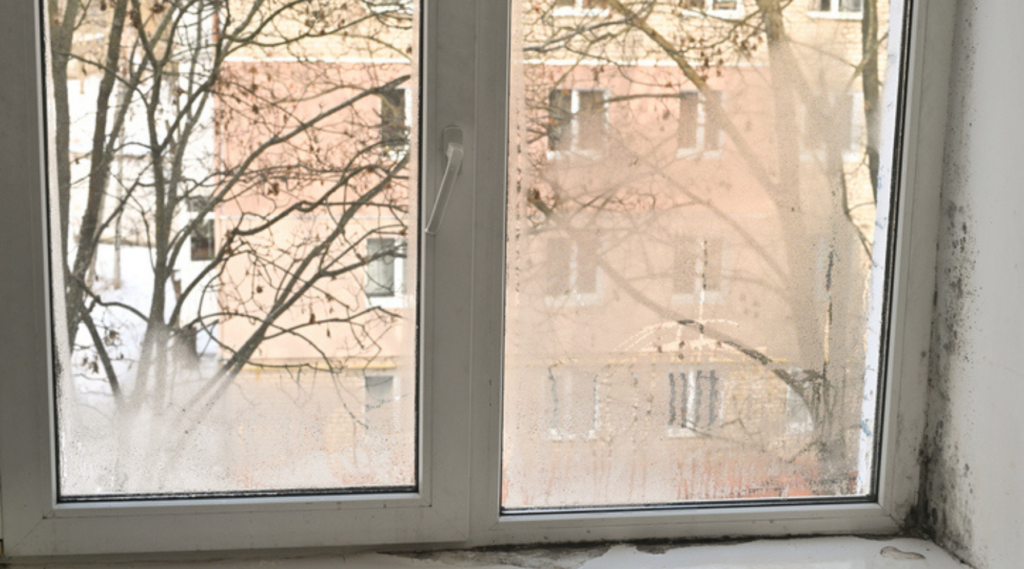
A water stain beneath a commercial window rarely raises alarms the first time it appears. It looks manageable. Someone dries the area, maybe applies sealant, and the issue feels resolved. The problem is that recurring leaks almost never start or end where you see them.
Window water intrusion in commercial buildings tends to follow hidden paths through the building envelope. By the time moisture shows up inside, it has usually been moving behind walls, around framing, or through failed joints for far longer than anyone realizes. That is why repeated leaks are often a warning sign of a deeper window system failure rather than a simple maintenance issue.
What you’ll learn:
- What Is Window-Related Water Intrusion in Commercial Buildings?
- Why Do Window Leaks Often Return After Repairs?
- What Hidden Damage Can Water Intrusion Cause Around Window Systems?
- How Do Failing Window Assemblies Impact Building Performance Over Time?
- When Does a Leak Indicate a Window System Failure Rather Than a Minor Issue?
- How Does Window Water Abatement Address the Root Cause of Leaks?
- When Should Property Managers Consider Professional Testing and Remediation?
- Frequently Asked Questions
are your building's windows suffering from water intrusion?
What Is Window-Related Water Intrusion in Commercial Buildings?
Window water intrusion in commercial buildings happens when moisture enters through or around window assemblies instead of draining outward as designed. In commercial buildings, this often occurs at the window-to-wall interface, curtain wall connections, or compromised glazing joints.
Water rarely travels straight inward. It moves along moisture pathways shaped by pressure differentials, gravity, and construction details. That is why interior staining may appear several feet from the actual point of entry. What looks like a localized leak is often part of a broader building envelope water intrusion issue.
Why Do Window Leaks Often Return After Repairs?
Window leaks often return because most repairs focus on visible damage instead of the conditions allowing water to enter. A resealed joint or patched seam may slow infiltration temporarily, but it does not correct system-level failures.
Common reasons leaks reappear include:
- Seal degradation that extends beyond the repaired area
- Joint breakdown hidden behind finishes or framing
- Blocked or poorly designed drainage paths
- Pressure differentials that force water past intact-looking seals
- Incompatible materials that fail under movement or temperature changes
Without proper diagnostics, repairs rely on assumptions. That leads to recurring window leaks and growing frustration as maintenance costs climb with little improvement.
What Hidden Damage Can Water Intrusion Cause Around Window Systems?
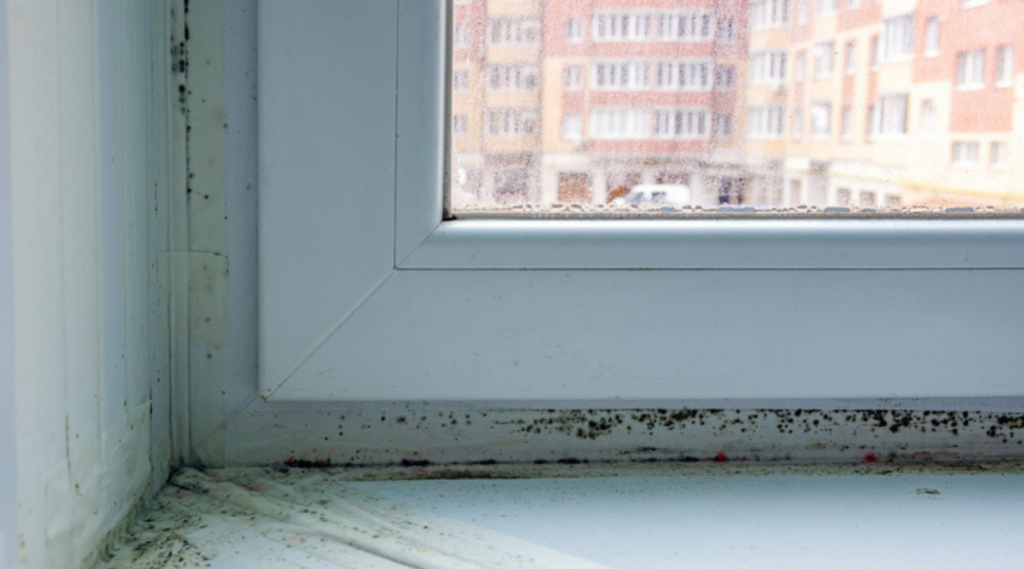
Water intrusion around commercial windows often causes damage that stays concealed long before it becomes visible. Moisture trapped inside wall assemblies accelerates deterioration in ways that routine inspections miss.
Hidden damage commonly includes:
- Corroded metal framing and fasteners
- Saturated insulation that loses thermal performance
- Interior staining that appears far from the source
- Deterioration of the surrounding wall materials
- Compromised glazing seals that worsen over time
By the time these issues surface, remediation is often more complex and expensive than early intervention would have been.
How Do Failing Window Assemblies Impact Building Performance Over Time?
Failing window assemblies gradually reduce a building’s ability to manage air, water, and temperature. Water intrusion disrupts insulation, alters pressure balance, and increases strain on HVAC systems.
Over time, this leads to:
- Higher energy usage due to thermal loss
- Unpredictable infiltration patterns during storms
- Increased maintenance demands across adjacent systems
- Shortened service life of curtain wall and window components
What begins as a small leak can quietly undermine overall building performance if left unaddressed.
When Does a Leak Indicate a Window System Failure Rather Than a Minor Issue?
A leak points to a window system failure when it persists despite repairs or appears in multiple locations. These patterns usually indicate that water is bypassing intended drainage and protection layers.
Red flags that signal system failure include recurring leaks after resealing, moisture appearing during wind-driven rain, and water intrusion linked to curtain wall transitions or window-to-wall interfaces. In these cases, treating the issue as minor often leads to repeated repairs without lasting results.
How Does Window Water Abatement Address the Root Cause of Leaks?
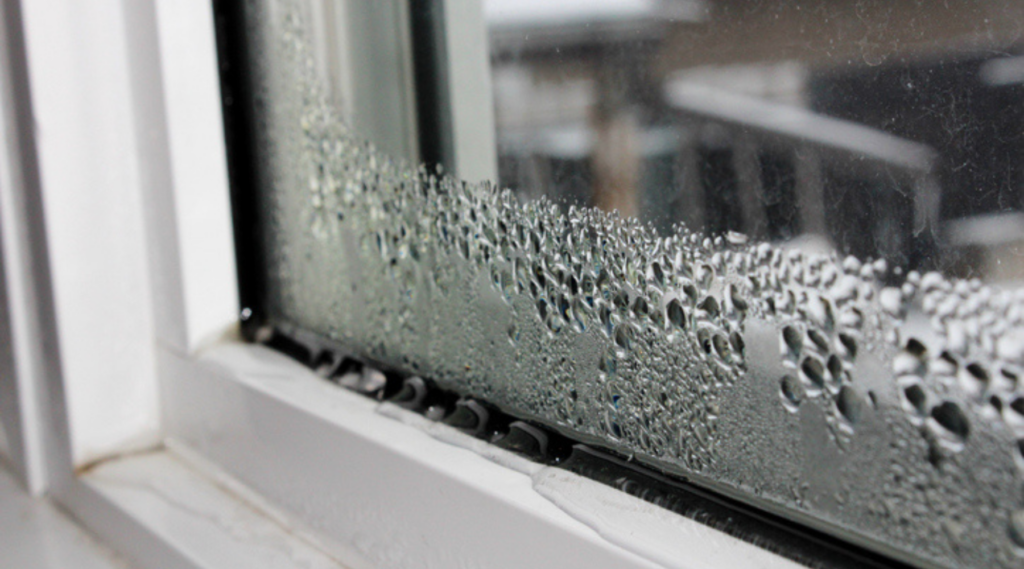
Window water abatement addresses leaks by identifying how and why water is entering the system. The process relies on investigative testing rather than guesswork.
Effective window water abatement typically involves:
- Diagnostics to map infiltration patterns and moisture pathways
- Testing to evaluate seal integrity, drainage, and pressure behavior
- Review of system compatibility across glazing, framing, and wall assemblies
- Remedial planning that targets failure points instead of surface symptoms
The goal is long-term prevention through proper drainage, durable materials, and restored system performance.
When Should Property Managers Consider Professional Testing and Remediation?
Professional testing becomes critical when leaks recur, spread, or resist routine maintenance. These conditions usually mean water intrusion is occurring within concealed assemblies where visual inspections fall short.
Early testing helps limit concealed damage, control costs, and support informed remediation decisions. For commercial properties, this approach protects both the structure and its long-term value.
Central Glass Industries works with property managers and building teams to diagnose and resolve commercial glazing water issues at the system level. By focusing on accurate testing and durable remediation, they help stop recurring leaks at the source and restore confidence in the building envelope.
Build a Safer, Drier Commercial Building With Central Glass Industries
If recurring window leaks are affecting your property, the issue often runs deeper than surface-level repairs. Central Glass Industries helps commercial property managers and building owners identify the source of window-related water intrusion and implement durable remediation strategies that protect the entire building envelope.
From investigative testing and window water abatement to full commercial window remediation, our team addresses leaks at the system level. If you are dealing with leaking commercial windows or ongoing water intrusion concerns, reach out to us today to schedule a consultation and get expert guidance before minor issues turn into costly failures.
Serving Newark, Palo Alto, Fremont, Union City, Milpitas, Hayward, and surrounding cities for over 40 years, we’re your trusted partner for everything from windows and doors to custom railings, mirrors, and shower enclosures. No project is too big or too small—whether you’re upgrading your windows for energy efficiency or enhancing your interiors with custom glass, our in-house team of experts will bring your vision to life.
We are licensed, bonded, & insured | California Contractor’s License #908623
FAQs
What causes recurring water intrusion around commercial windows?
Recurring water intrusion is usually caused by hidden moisture pathways created by seal degradation, joint breakdown, failed drainage, or pressure differentials that allow water to bypass the window system.
Why do commercial window leaks keep coming back after repairs?
Leaks return when repairs address visible symptoms instead of the underlying window system failure, leaving infiltration paths and drainage issues unresolved.
When is water abatement needed instead of another window repair?
Water abatement is needed when leaks repeat after sealing or patching, spread to new areas, or indicate failure at the window-to-wall interface rather than an isolated defect.