
Window Replacement for Apartment Complexes: How to Plan a Multi-Unit Retrofit Project
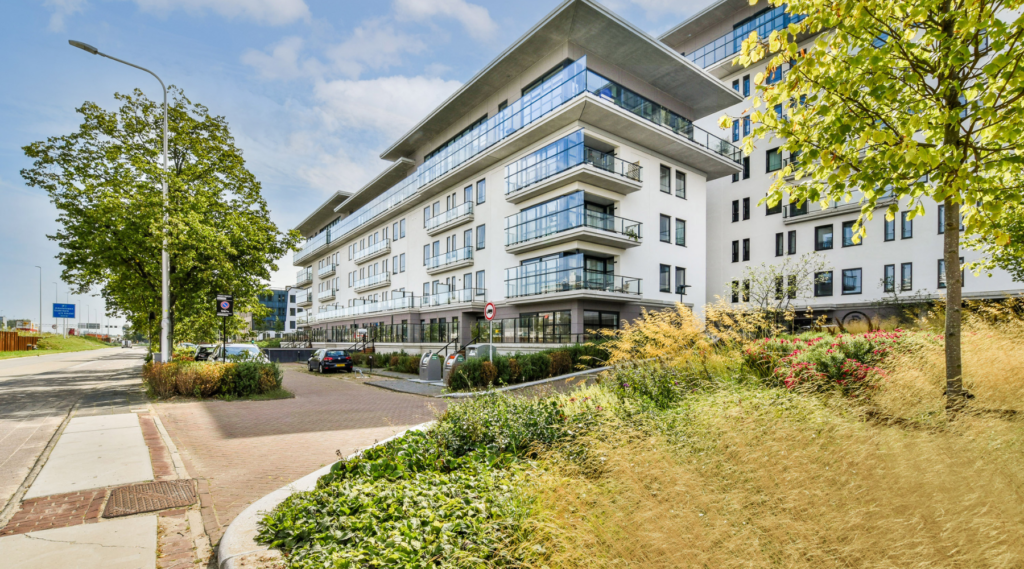
Managing a large residential community involves a profound responsibility for the safety, comfort, and well-being of every resident. When you begin exploring apartment complex window replacements, you are doing more than upgrading a building’s exterior; you are investing in the quality of life for those who call your property home.
At Central Glass Industries, we understand that balancing technical requirements with the human element of occupied living spaces is a unique challenge. From serving senior communities like Aegis Living in Fremont to upgrading affordable housing like Newark Gardens, we know that a successful project relies on empathy as much as it does on engineering. We are here to guide you through this process, ensuring your facility remains safe, compliant, and comfortable throughout the transition.
What you’ll learn:
- What Makes Apartment Window Replacement Different From Single-Building Projects?
- When Is a Multi-Unit Retrofit Necessary Instead of Spot Repairs?
- How Do You Plan a Window Replacement Project in an Occupied Building?
- How Can Window Replacement Be Phased to Reduce Tenant Disruption?
- What Energy, Safety, and Code Requirements Apply to Apartment Buildings?
- How Should Property Managers Budget and Schedule Multi-Unit Window Projects?
- Why Is Choosing the Right Glazing Contractor Critical for Multifamily Projects?
- Frequently Asked Questions
Ready to replace your windows in your apartment complexes?
What Makes Apartment Window Replacement Different From Single-Building Projects?
The primary difference lies in the complexity of access logistics and the sheer number of lives affected by the construction process. Unlike a standalone structure, glazing for multifamily projects requires a holistic approach that prioritizes community safety and minimizes intrusion.
To manage this scale effectively, we focus on several key differentiators:
- Resident Coordination: We treat the project as a community event, ensuring clear communication channels so residents feel informed rather than invaded.
- Building Standardization: We ensure facade upgrades maintain a uniform aesthetic across hundreds of units, which is crucial for property value enhancement.
- Safety Protocols: With higher foot traffic, our site safety plans must account for residents, staff, and visitors, not just construction crews.
When Is a Multi-Unit Retrofit Necessary Instead of Spot Repairs?
A full wide-scale retrofit becomes necessary when the frequency of repairs begins to drain your resources and negatively impact resident comfort. While spot repairs can solve isolated issues, relying on them for too long often prevents you from addressing the root cause of building envelope failures.
Consider a comprehensive multi-unit window replacement if you are observing the following indicators:
- Systemic Seal Failure: If multiple units report fogging or condensation between panes, the windows have likely reached the end of their useful life.
- Thermal Inefficiency: Persistent drafts and high utility costs suggest that thermal performance gains are needed to maintain a comfortable living environment for residents.
- Water Intrusion: Recurring leaks that damage drywall or flooring signal that asset lifecycle planning should shift from maintenance to replacement to preserve the building’s structural integrity.
How Do You Plan a Window Replacement Project in an Occupied Building?
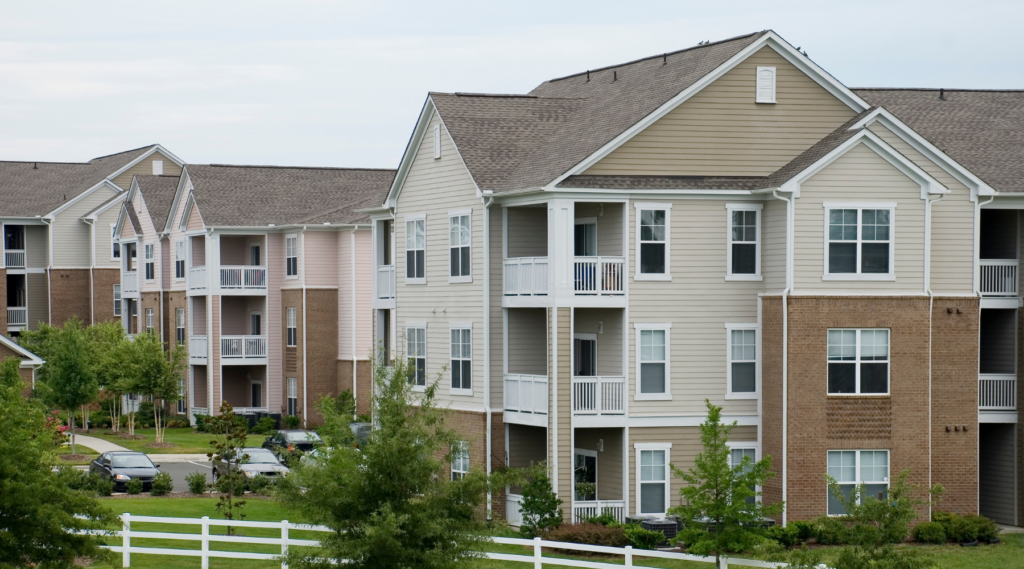
Planning a tailored retrofit in an occupied building requires viewing the schedule through the lens of those living there. We begin by establishing protocols that respect privacy and specific care needs, ensuring that the work does not compromise the dignity or routine of the residents.
This was our priority when working with Aegis Living in Fremont, a residential, apartment-style senior assisted living community. In such sensitive environments, standard construction timelines often need to be adjusted. We coordinated closely with staff and occupants to ensure the replacement happened seamlessly in the background. Good planning means anticipating residents’ needs before the first truck arrives.
How Can Window Replacement Be Phased to Reduce Tenant Disruption?
Phasing is a strategic approach that involves segmenting the project into manageable sections to contain noise and activity. By isolating the work zones, we can ensure that the majority of the complex remains peaceful and fully operational.
During our work at Newark Gardens, an affordable senior residential community, we utilized project phasing to protect the residents’ peace of mind. Instead of opening up the entire building envelope at once, we moved systematically through the property. This sequencing method allowed us to complete installation and cleanup in one area before moving to the next, significantly reducing tenant disruption. This approach also simplifies contractor scheduling, ensuring crews are efficient and respectful of the shared space.
What Energy, Safety, and Code Requirements Apply to Apartment Buildings?
Multifamily structures are subject to rigorous regulations designed to protect occupant safety and ensure environmental responsibility. Compliance is not optional; it is a critical component of risk management and long-term durability.
Your project must align with several key standards:
- Title 24 Energy Standards: In California, apartment buildings must meet specific U-Factor and Solar Heat Gain Coefficient ratings to reduce energy consumption.
- Safety Glazing Codes: Windows located near doors, walking surfaces, or bathtubs often require tempered glass to prevent injury in case of breakage.
- Egress Requirements: Bedrooms must have windows that operate properly to allow for safe escape during an emergency, a vital check for regulatory approvals.
How Should Property Managers Budget and Schedule Multi-Unit Window Projects?
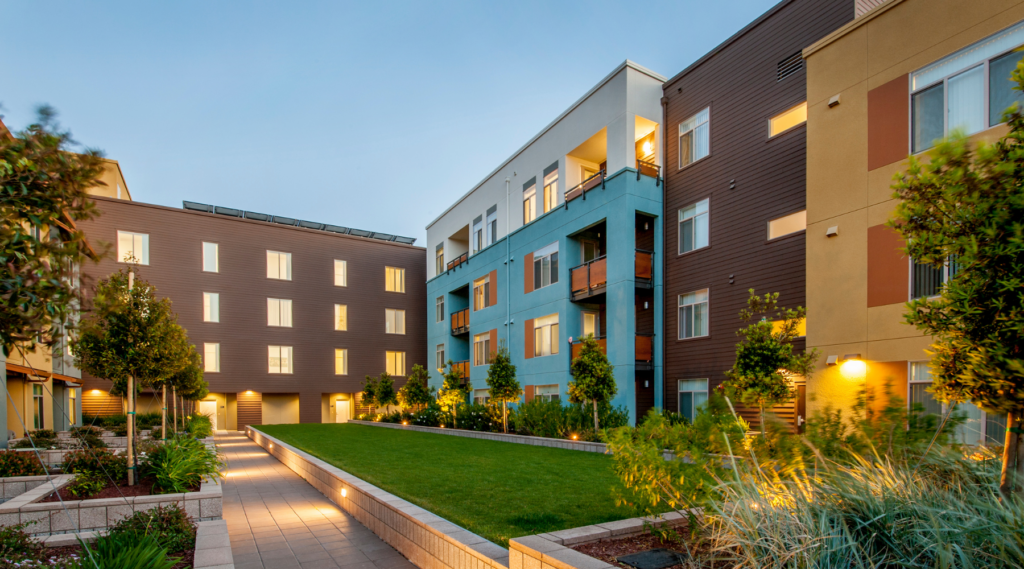
Accurate budgeting requires precise forecasting that accounts for both the hard costs of materials and the soft costs of managing a complex project. Window replacement budgets should be built with a clear understanding of the asset lifecycle, ensuring that the capital you deploy today reduces maintenance costs tomorrow.
If you are guiding a window-replacement project in an HOA, transparency about the schedule is paramount. We help you create realistic timelines that account for weather, resident notification periods, and approval processes. Whether it involves capital improvements or reserve funding, a well-planned schedule prevents financial surprises and builds trust with your board and residents.
Why Is Choosing the Right Glazing Contractor Critical for Multifamily Projects?
Selecting the right partner ensures that the technical execution of the project never comes at the expense of resident care. Apartment window retrofitting planning succeeds when your contractor views themselves as a guest in your community, prioritizing noise mitigation and cleanliness alongside installation quality.
At Central Glass Industries, we are proud to be that reliable partner. We combine deep technical expertise in glazing with a compassionate understanding of your daily operations. We handle the complexities of the retrofit so you can focus on your primary mission: providing excellent service and care to your residents.
If you are ready to enhance the safety and comfort of your community, contact us today. We are here to support you every step of the way.
Serving Newark, Palo Alto, Fremont, Union City, Milpitas, Hayward, and surrounding cities for over 40 years, we’re your trusted partner for everything from windows and doors to custom railings, mirrors, and shower enclosures. No project is too big or too small—whether you’re upgrading your windows for energy efficiency or enhancing your interiors with custom glass, our in-house team of experts will bring your vision to life.
We are licensed, bonded, & insured | California Contractor’s License #908623
FAQs
How do you replace windows in an occupied apartment complex?
Window replacement in an occupied complex is typically done in phases, unit by unit, with advance notice to tenants and most work completed from the exterior to limit interior access and downtime.
How long does a multi-unit window replacement project take?
Timelines vary based on building size, window type, and access, but most multi-unit projects run from several weeks to a few months, with individual units usually completed in a single day.
How can property managers minimize tenant disruption during window replacement?
Clear communication, staggered scheduling, designated work hours, and using experienced installers who can complete each unit quickly help keep noise, access issues, and inconvenience to a minimum.