
When Is It Time to Replace Commercial Windows Instead of Repairing Them?
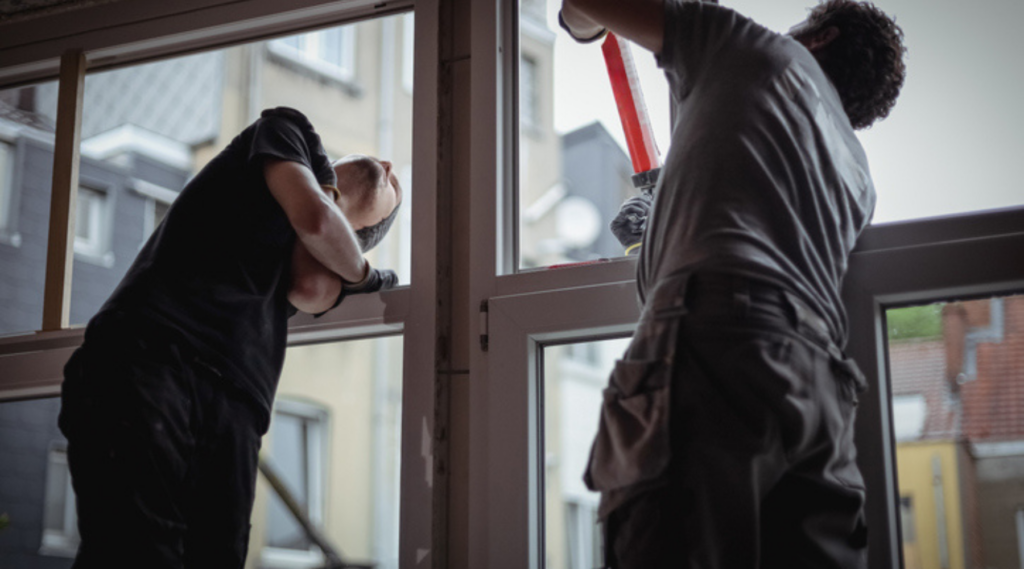
Commercial window problems tend to creep up slowly. One leak turns into another. A cracked pane gets patched, then cracks again. Energy bills rise, tenants complain about drafts, and suddenly, window issues are eating up far more time and budget than expected.
At that point, the real question becomes clear: is it smarter to keep repairing, or is it time to replace altogether? For property managers and building owners, the replace vs repair commercial windows decision affects long-term costs, building performance, and tenant experience. Here is how to know when that line has been crossed.
What you’ll learn:
- What’s the Difference Between Commercial Window Repair and Replacement?
- What Are the Warning Signs That Repairs Are No Longer Enough?
- How Do Repeated Repairs Increase Long-Term Costs?
- When Do Safety, Energy, or Code Issues Require Replacement?
- How Does Window Age and System Type Affect the Decision?
- What Role Does Tenant Disruption Play in Repair vs. Replacement?
- How Can a Glazing Specialist Help You Decide the Right Time to Replace?
- Frequently Asked Questions
Ready to replace your building's windows?
What’s the Difference Between Commercial Window Repair and Replacement?
Commercial window repair addresses isolated problems, while replacement resets the entire window system.
Repairs typically focus on targeted issues like broken glass, localized seal failure, graffiti damage, or hardware malfunctions. Replacement involves removing the existing system and installing new windows designed to meet current performance, safety, and energy expectations.
From a building window lifecycle perspective, repairs extend usability for a limited time. Replacement restores structural integrity, improves thermal performance, and supports long-term reliability. Understanding this difference helps owners avoid investing heavily in solutions that only delay larger issues.
What Are the Warning Signs That Repairs Are No Longer Enough?
When multiple issues appear across different areas of the building, repairs often stop being effective.
Common commercial window replacement signs include:
- Persistent water leakage or moisture infiltration after rain or cleaning
- Fogging between panes, indicating seal failure indicators
- Cracks that reappear even after glass replacement
- Noticeable drafts or interior temperature swings caused by thermal inefficiency
- Visible frame deterioration that affects facade integrity
When these problems show up repeatedly, they signal system-wide performance decline rather than isolated damage. That is often when commercial glass repair limitations become clear.
How Do Repeated Repairs Increase Long-Term Costs?
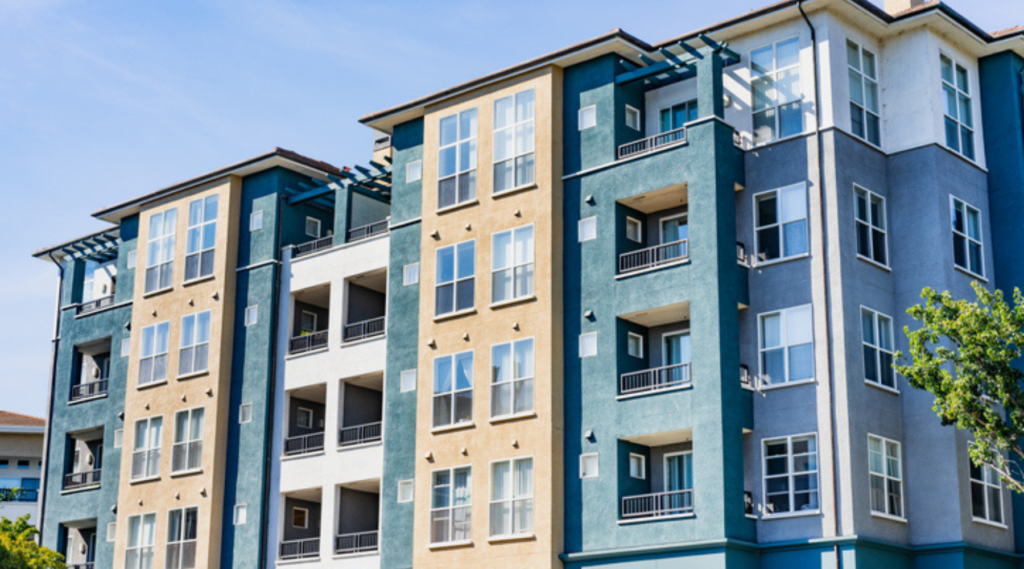
Ongoing repairs may feel manageable individually, but they drive up costs over time.
Repeated fixes create several hidden expenses:
- Rising labor and access costs for lifts, scaffolding, and site setup
- Ongoing operational disruption for tenants and building staff
- Escalating maintenance tradeoffs that divert funds from capital planning
- Shortened longevity when aging components continue to fail
Over several years, commercial window maintenance costs can rival or exceed the cost of replacement, without delivering the benefits of modernization or improved performance.
When Do Safety, Energy, or Code Issues Require Replacement?
Replacement becomes necessary when windows no longer meet safety standards, energy requirements, or code expectations.
Situations that often trigger replacement include:
- Energy loss from old commercial windows significantly increases utility costs
- Water intrusion in commercial windows that create mold risk or interior damage
- Glass systems that no longer meet impact, safety glazing, or fire code requirements
- Structural concerns that compromise occupant safety or building compliance
In these cases, repairs address symptoms but not risk. Replacement supports risk evaluation, improves energy performance, and helps buildings stay compliant.
How Does Window Age and System Type Affect the Decision?
Window age plays a major role in determining repair feasibility. Most commercial window systems have a defined lifespan tied to materials, exposure, and original installation quality. As systems age, seal failures and structural issues become more frequent. Aluminum storefronts, curtain wall systems, and older insulated glass units each degrade differently, but all experience reduced performance over time.
System design also matters. Some older assemblies were not built to accommodate modern glazing upgrades, making retrofit feasibility limited. Replacement often delivers better aesthetics, improved thermal performance, and stronger facade integrity than repairs ever could.
What Role Does Tenant Disruption Play in Repair vs. Replacement?
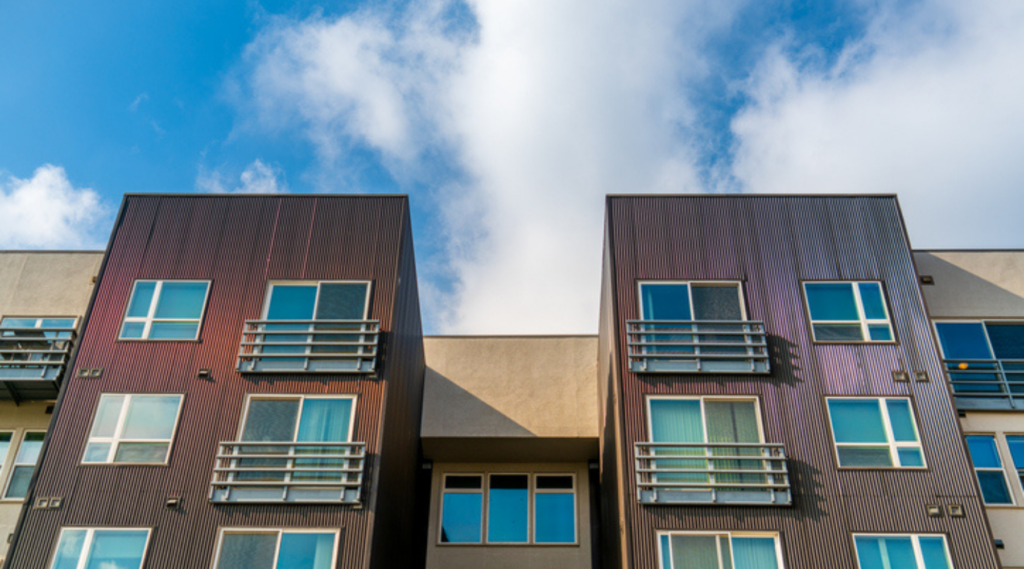
Tenant experience is a major factor in window decisions. Frequent repairs mean repeated access requests, noise, and interruptions to daily operations. Over time, this creates frustration, especially when the same issues keep returning. Drafts, leaks, and condensation also affect comfort and productivity.
A planned replacement project allows for scheduling, communication, and efficient execution. While replacement is a larger project upfront, it often reduces long-term disruption and improves tenant satisfaction through better comfort, sound control, and appearance.
How Can a Glazing Specialist Help You Decide the Right Time to Replace?
An experienced glazing partner helps remove uncertainty from the decision-making process. A professional assessment looks at current conditions, structural performance, and long-term budgeting considerations. This includes evaluating repair viability, estimating remaining lifespan, and aligning solutions with capital planning goals.
Central Glass Industries takes this approach with every project. As a commercial glass and glazing subcontractor experienced in storefronts, curtain walls, and complex commercial systems, we focus on long-term performance, not quick fixes. Their team works closely with owners, property managers, and general contractors to determine the right path forward, balancing cost, reliability, and aesthetics.
Choosing the Smarter Path for Your Building
Serving Newark, Palo Alto, Fremont, Union City, Milpitas, Hayward, and surrounding cities for over 40 years, we’re your trusted partner for everything from windows and doors to custom railings, mirrors, and shower enclosures. No project is too big or too small—whether you’re upgrading your windows for energy efficiency or enhancing your interiors with custom glass, our in-house team of experts will bring your vision to life.
We are licensed, bonded, & insured | California Contractor’s License #908623
FAQs
How do you know when commercial windows need replacement?
Commercial windows often need replacement when issues like leaks, seal failures, drafts, or cracks keep returning across multiple areas of the building, signaling system-wide performance decline rather than isolated damage.
Is it cheaper to repair or replace commercial windows long-term?
While repairs cost less upfront, repeated fixes, rising maintenance expenses, and energy loss often make replacement the more cost-effective option over the long term.
What problems can’t be fixed with commercial window repairs?
Repairs cannot resolve widespread seal failure, structural frame deterioration, chronic water intrusion, or outdated systems that no longer meet current safety, energy, or code requirements.